Golden Creeping Sedum: A Comprehensive Guide to this Stunning Plant
Golden creeping sedum is a beautiful and versatile plant that can add a touch of color to any garden, patio, or balcony. Also known as Golden Stonecrop, this low-growing succulent is native to the mountainous regions of Europe and Asia and has been widely cultivated for its ornamental value.
In this comprehensive guide, we'll explore everything you need to know about golden creeping sedum, from its physical characteristics to its growing requirements, and how to care for it to ensure it thrives in your garden.
So let's dive in and discover the wonders of this stunning plant!
Physical Characteristics
Golden creeping sedum is a small, spreading perennial that grows to a height of 4-6 inches (10-15 cm) and can spread up to 24 inches (60 cm) wide. Its leaves are fleshy and succulent, with a bright gold or chartreuse green color, depending on the cultivar.
The plant produces small yellow flowers that bloom in late summer or early fall, which attract pollinators such as butterflies and bees.
Varieties
There are several varieties of golden creeping sedum, each with its own unique characteristics. Some of the most popular ones include:
- Acre - This variety has needle-like foliage that forms dense mats of bright green or yellow-green leaves.
- Angelina - One of the most popular varieties, Angelina has bright yellow-green foliage that turns bronze-orange in the fall.
- Gold Moss - This variety has tiny golden-yellow leaves that form a dense mat and produce yellow flowers in the summer.
- Ogon - A Japanese cultivar, Ogon has golden-yellow foliage that turns orange-red in the fall.
Growing Requirements
Golden creeping sedum is a hardy plant that can grow in a wide range of conditions. It prefers well-draining soil and full sun to partial shade. The plant can tolerate drought and is relatively low-maintenance once established.
To grow golden creeping sedum, follow these simple steps:
- Choose a sunny spot in your garden or balcony where the plant will receive at least six hours of direct sunlight per day.
- Prepare the soil by adding compost or sand to improve drainage.
- Plant the sedum by digging a hole slightly larger than the root ball and gently placing the plant in the hole.
- Water the plant thoroughly after planting, then allow the soil to dry out before watering again.
- Add a layer of mulch around the base of the plant to help retain moisture and suppress weeds.
Care and Maintenance
Golden creeping sedum is a low-maintenance plant that requires minimal care. However, there are a few things you can do to ensure it thrives in your garden:
- Watering: Golden creeping sedum is drought-tolerant, but it still needs regular watering during hot, dry spells. Water deeply once a week, rather than frequent shallow watering, to encourage deep root growth.
- Fertilization: Sedum does not require fertilization, but you can feed it with a balanced fertilizer once a year in the spring if desired.
- Pruning: Trim back any dead or damaged foliage in the spring to promote new growth and maintain the plant's shape.
- Winter protection: Golden creeping sedum is hardy down to USDA zone 4 (-30°F/-34°C), but it may benefit from a layer of mulch or protective covering during harsh winters.
Propagation
Golden creeping sedum is an easy plant to propagate, and you can do so using several methods:
- Division: Divide mature plants in the spring or fall by gently separating the clumps and replanting them in well-prepared soil.
- Stem cuttings: Take stem cuttings in the spring or summer and plant them in well-draining soil. Keep the soil moist until the cuttings have established roots.
- Seed propagation: Collect seeds from mature plants in the fall and sow them directly in the garden or in pots filled with well-draining soil.
Landscaping Ideas
Golden creeping sedum is a versatile plant that can be used in a variety of landscaping designs. Here are some ideas to get you ed:
- Groundcover: Use golden creeping sedum as a groundcover in rock gardens, borders, or pathways.
- Container gardening: Plant golden creeping sedum in containers and pair it with other succulents or trailing plants for a stunning display on your patio or balcony.
- Living roof: Golden creeping sedum is an excellent choice for green roofs and living walls, as it can tolerate drought and low-nutrient soils.
Common Pests and Diseases
Golden creeping sedum is relatively pest and disease-free, but it may be susceptible to a few common problems. These include:
- Mealybugs: These small white insects can infest the foliage and stems of the plant, causing damage and stunting growth. Treat with insecticidal soap or neem oil.
- Root rot: Overwatering or poorly-draining soil can cause root rot, which will cause the plant to wilt and die. Avoid overwatering and ensure the soil is well-draining.
- Powdery mildew: This fungal disease can cause a white powdery coating on the leaves and stems of the plant. Treat with fungicide if necessary.
Golden creeping sedum is a beautiful and versatile plant that can add color and texture to any garden or landscape design. It's easy to grow and requires minimal care, making it an excellent choice for beginners and busy gardeners alike.
Whether you're looking for a groundcover, container plant, or living roof addition, golden creeping sedum is sure to impress. So why not add some to your garden today and enjoy the wonders of this stunning plant?
FAQs
Q1. Can golden creeping sedum grow in shade?
A: Golden creeping sedum prefers full sun to partial shade but can tolerate some shade. However, it may become leggy and less compact if grown in too much shade.
Q2. How often should I water my golden creeping sedum?
A: Water deeply once a week during hot, dry spells. Allow the soil to dry out between watering to avoid overwatering.
Q3. How do I propagate golden creeping sedum?
A: Golden creeping sedum can be propagated by division, stem cuttings, or seed propagation.
Q4. Is golden creeping sedum an invasive species?
A: No, golden creeping sedum is not considered an invasive species. It's a non-native plant that has been widely cultivated for its ornamental value.
Q5. What are some good companion plants for golden creeping sedum?
A: Some good companion plants for golden creeping sedum include other succulents, trailing plants, and low-growing perennials such as thyme, lavender, or creeping phlox.
Q6. How tall does golden creeping sedum grow?
A: Golden creeping sedum grows to a height of 4-6 inches (10-15 cm) and can spread up to 24 inches (60 cm) wide.
Q7. Can golden creeping sedum be used in container gardening?
A: Yes, golden creeping sedum is an excellent choice for container gardening and pairs well with other succulents or trailing plants.
Q8. What is the best time to plant golden creeping sedum?
A: The best time to plant golden creeping sedum is in the spring or fall when the soil is moist and temperatures are mild.
Q9. How do I care for golden creeping sedum in the winter?
A: Golden creeping sedum is hardy down to USDA zone 4 (-30°F/-34°C), but it may benefit from a layer of mulch or protective covering during harsh winters.
Q10. Can golden creeping sedum be grown indoors?
A: Yes, golden creeping sedum can be grown indoors in bright light. However, it may require more frequent watering and pruning to maintain its shape.
15 Golden creeping sedum Images

Sedum Acre Golden Carpet In 2021 Flowers Perennials Sedum Sedum
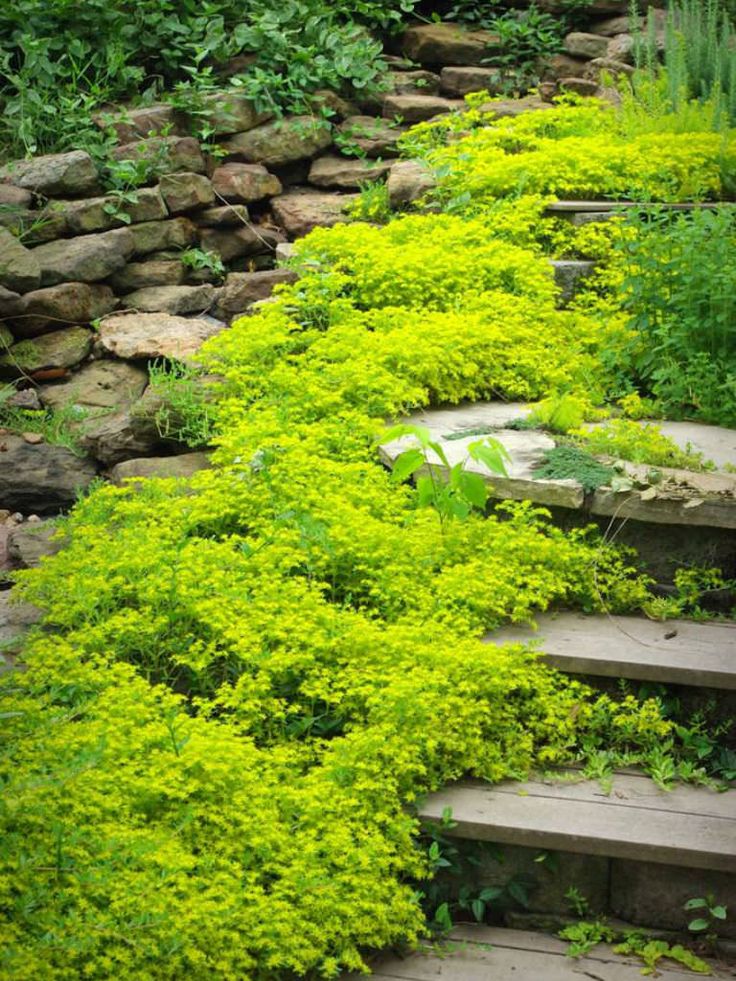
Sedum Sarmentosum Stringy Stonecrop World Of Succulents

Golden Creeping Sedum Flowers Sedum Ground Cover Sedum Plant

Live Red Creeping Sedum Plant Set Of Two Plants Red And Bulbs

Golden Stonecrop Ground Cover Plants Plants Landscaping Plants

Red Creeping Sedum Plants 6Pack Sedum Plant Sedum Plants

Pin On Fenced In

Creeping Sedum Gardening Pinterest

Creeping Sedum Sedum Grapes Garden

Sedum Carpet 10182 Michigan Bulb Drought Resistant Plants Sedum

45 Best SEDUM Images On Pinterest Evergreen Late Bloomer And Succulents

Creeping Sedums FineGardening Ground Cover Plants Fine Gardening

Golden Creeping Sedum Michigan Bulb Spring Hill Nursery Creeping

Pinterest Discover And Save Creative Ideas

CREEPING GOLDEN SEDUM MI BULB FALL 2016 Ground Cover Plants Ground
Posting Komentar untuk "Golden Creeping Sedum: A Comprehensive Guide to this Stunning Plant"